A product launch with no talent, no location and nothing to hide behind.
A 30-second spot for Logitech G’s gaming peripherals. Headsets, mice and keyboards, built entirely in 3D, with the product carrying every frame and kinetic type doing the talking.
The 30-second spot.
The Job
Gaming peripherals are hard to film well. The details that sell them are small: the lighting, the materials, the switches, the way a cable falls. A live shoot spends most of its day fighting reflections to capture them.
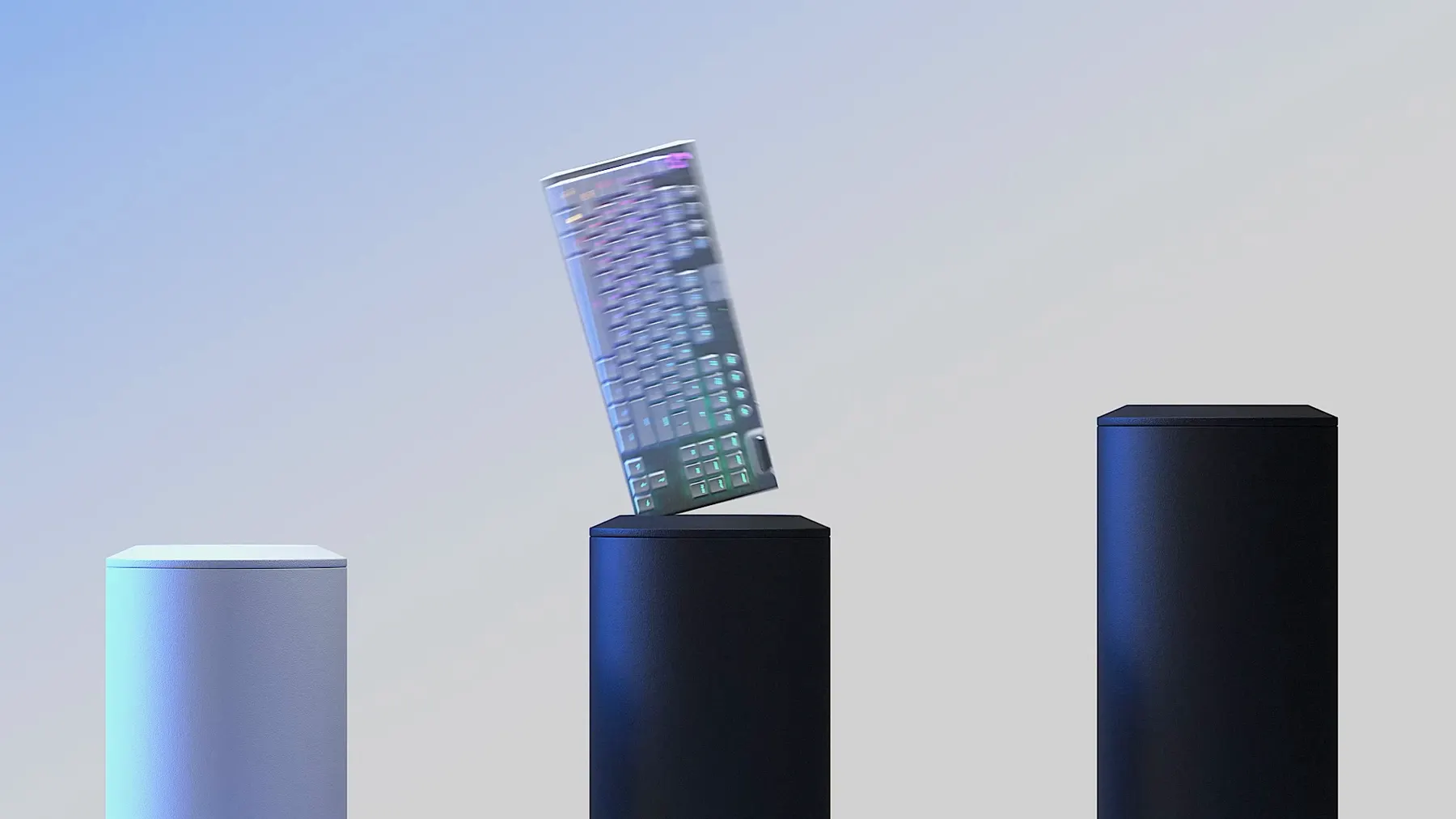
Building the range in 3D removes that fight. Every surface, every light and every camera move is controlled, and the product can do things no real product can, like float, fall and assemble itself in mid-air.
The Spot
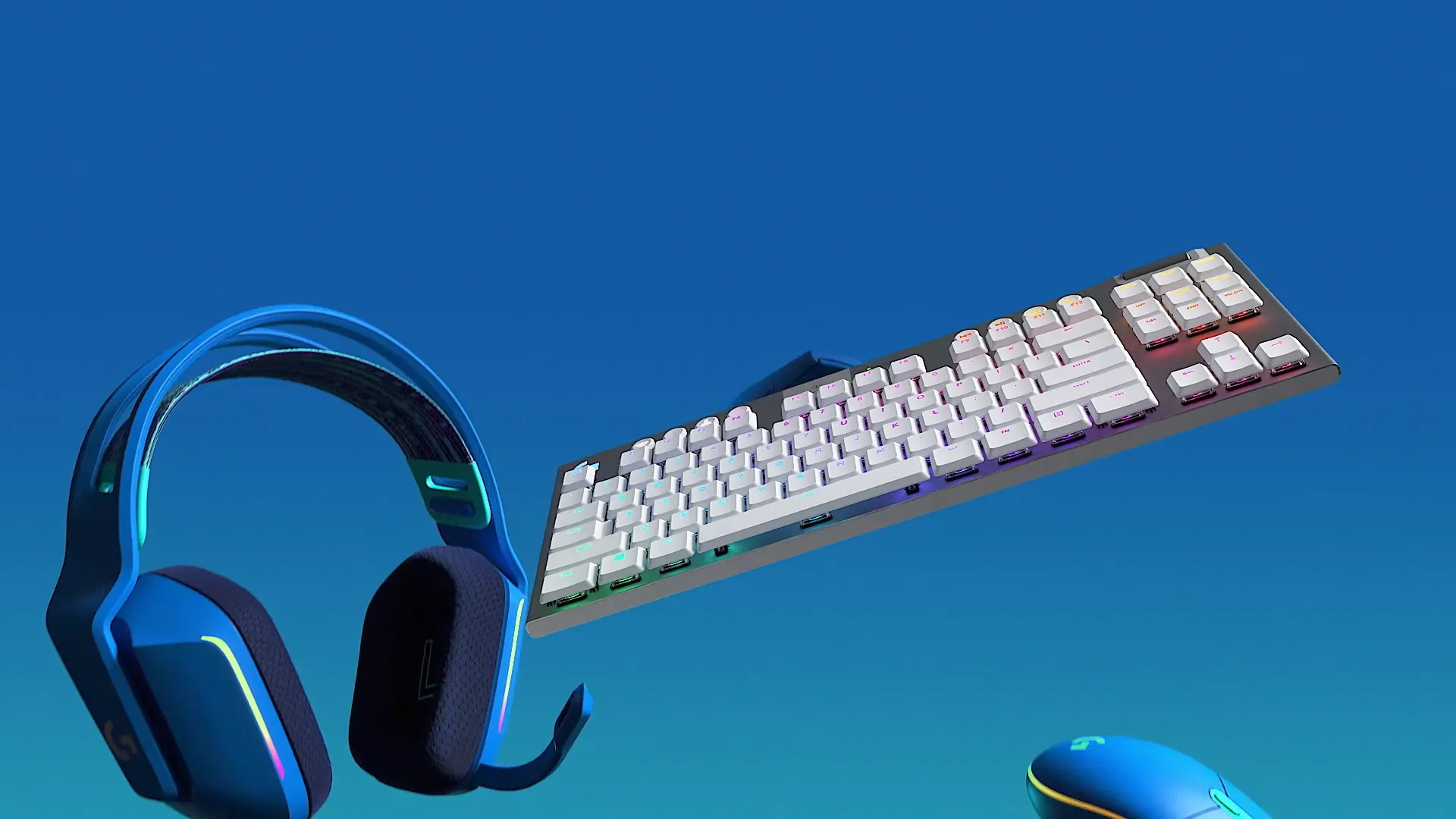
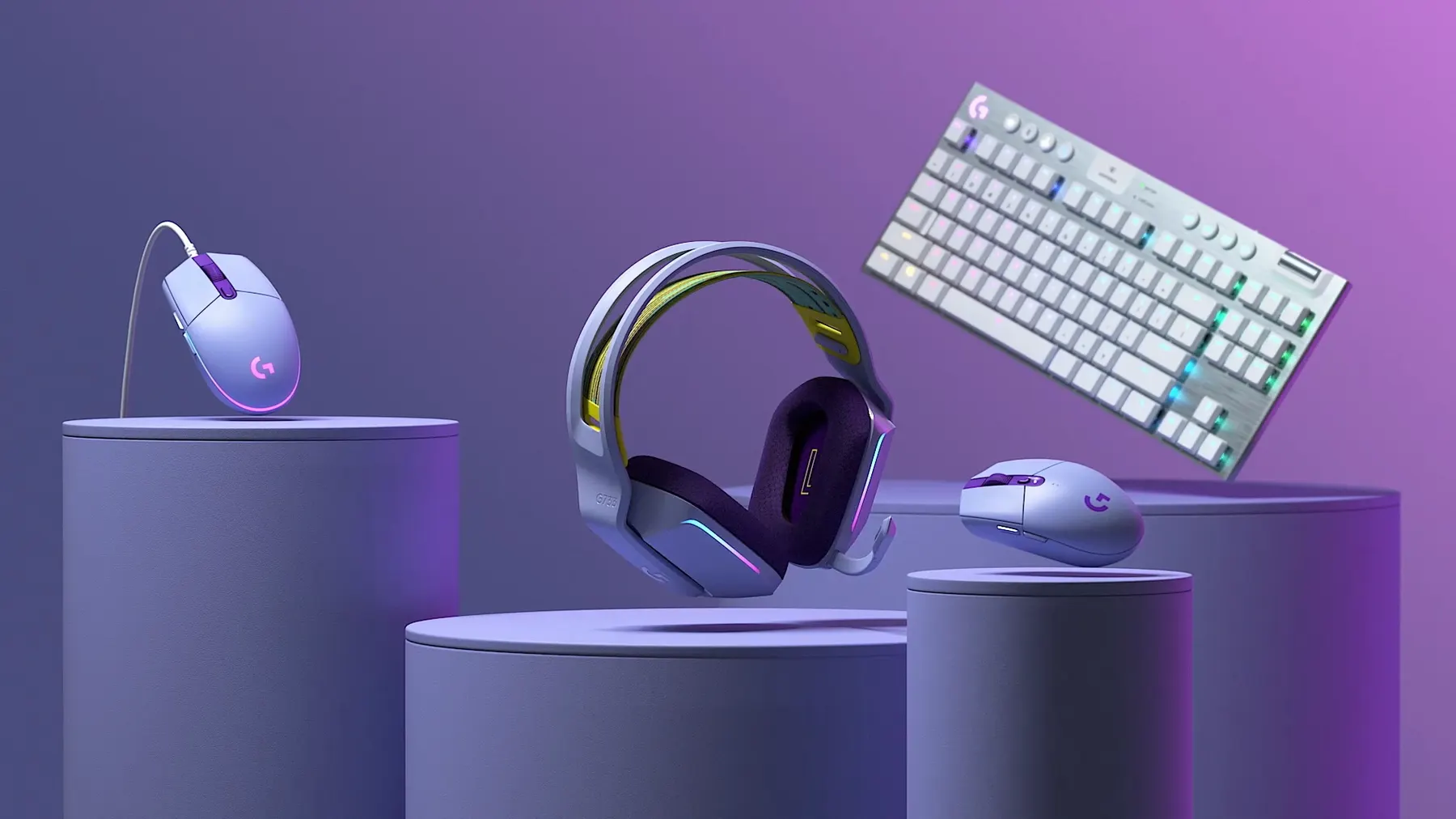
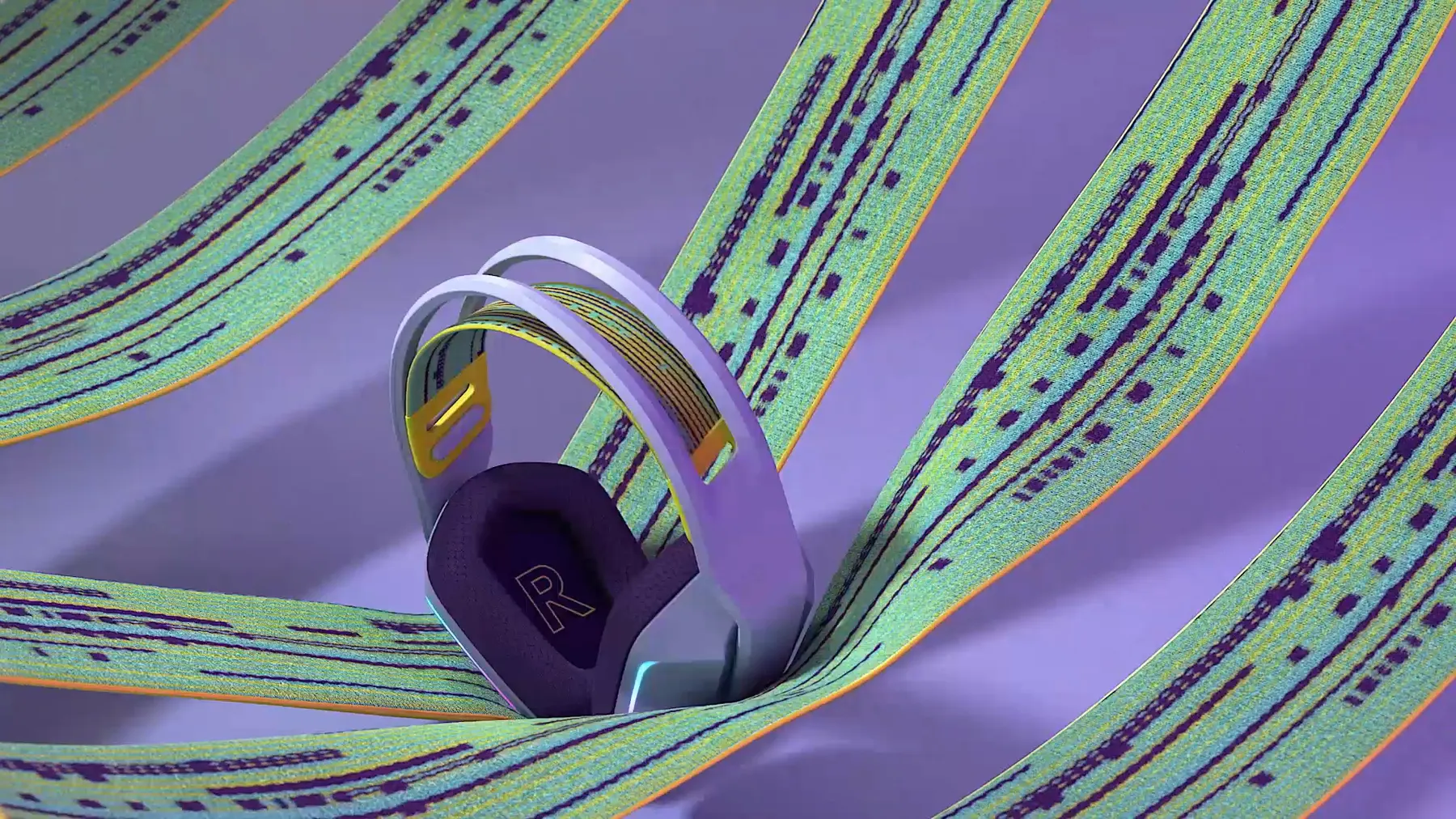
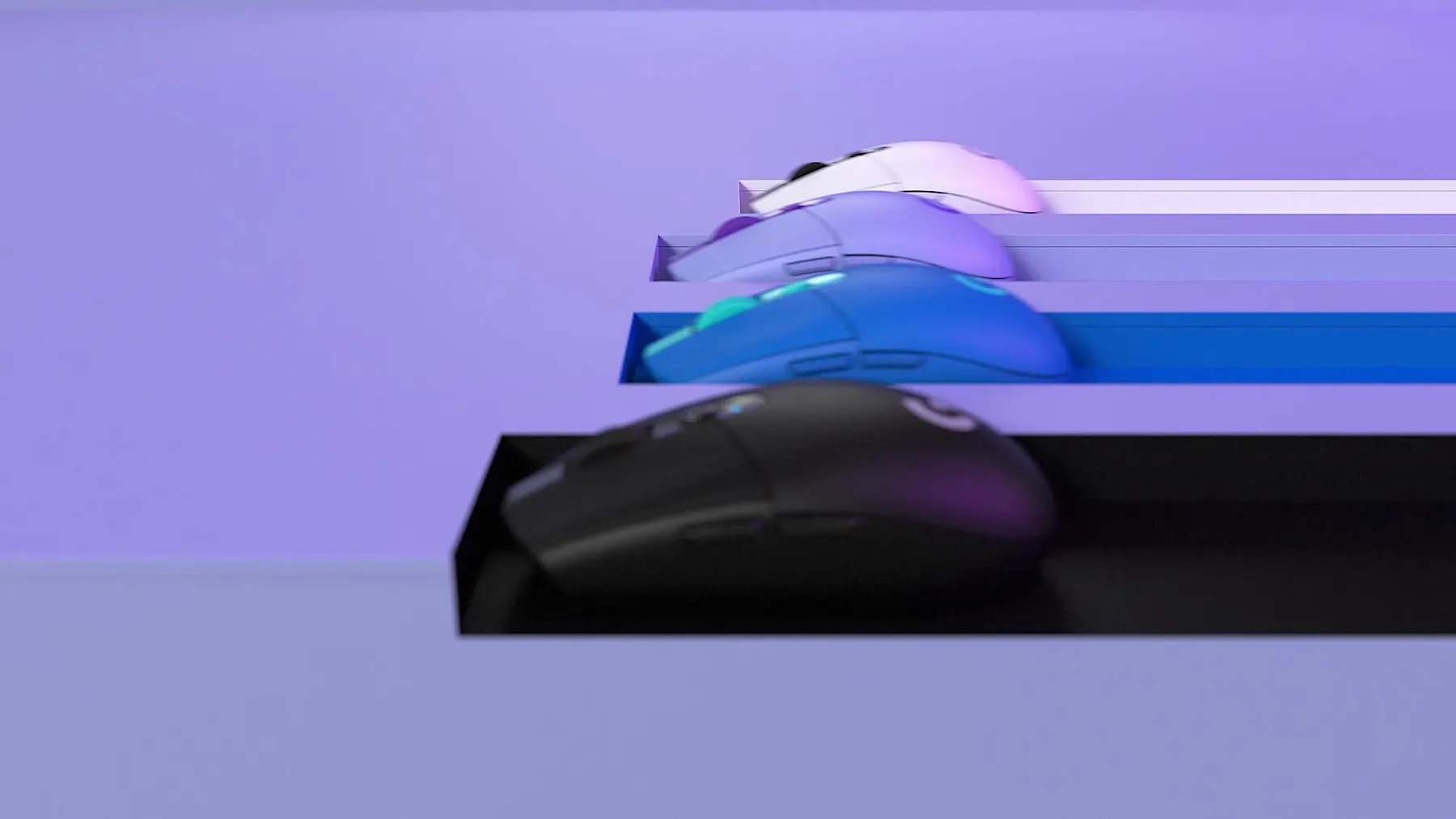
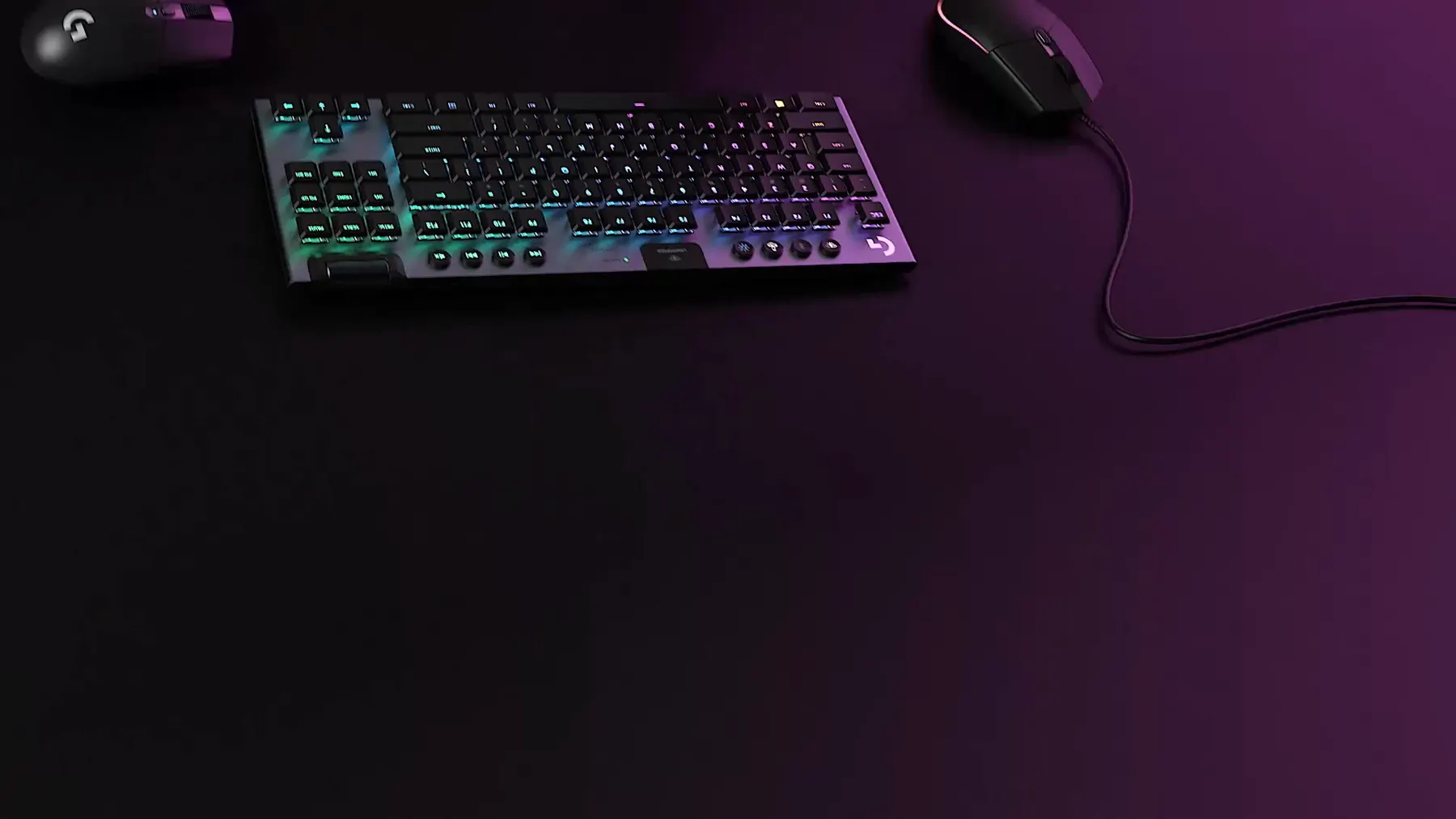
It opens on a full black setup and a single word of type, then moves through the range one colourway at a time: a white and lilac setup on plinths, a headset wrapped in circuit-board ribbons, mice sliding out of colour-matched slots, a blue setup floating in space.
The type builds across the spot and resolves at the end, followed by a single instruction to shop now and the Logitech G mark.
Logitech G needed its headsets, mice and keyboards to read as one range in thirty seconds. We built every product in 3D, gave each colourway its own set, and ended the spot on a single instruction: shop now.
Adrian Clark, Co-founder @ Content DepartmentThe Craft
Every shot is built around one product at a time, so the eye always knows where to go. Colour does the structuring: each colourway gets its own palette and its own set, which lets thirty seconds show three distinct ranges without feeling like a catalogue.
Motion does the rest. Products drop, tip and slide rather than sit still, because a peripheral is something you use, and a spot that only looks at it undersells it.

Got a product that has to look perfect?
Tell us what it has to show. We will tell you whether 3D is the right tool.